
Back to health columns

Fertility assessment

Infertility Assessment and Care

The Infertility Diagnosis and Treatment Center integrates routine infertility care, minimally invasive surgery and fertility preservation, providing a closed-loop pathway of precise assessment, minimally invasive repair and postoperative fertility support for couples across central China, with 6,000+ families served.

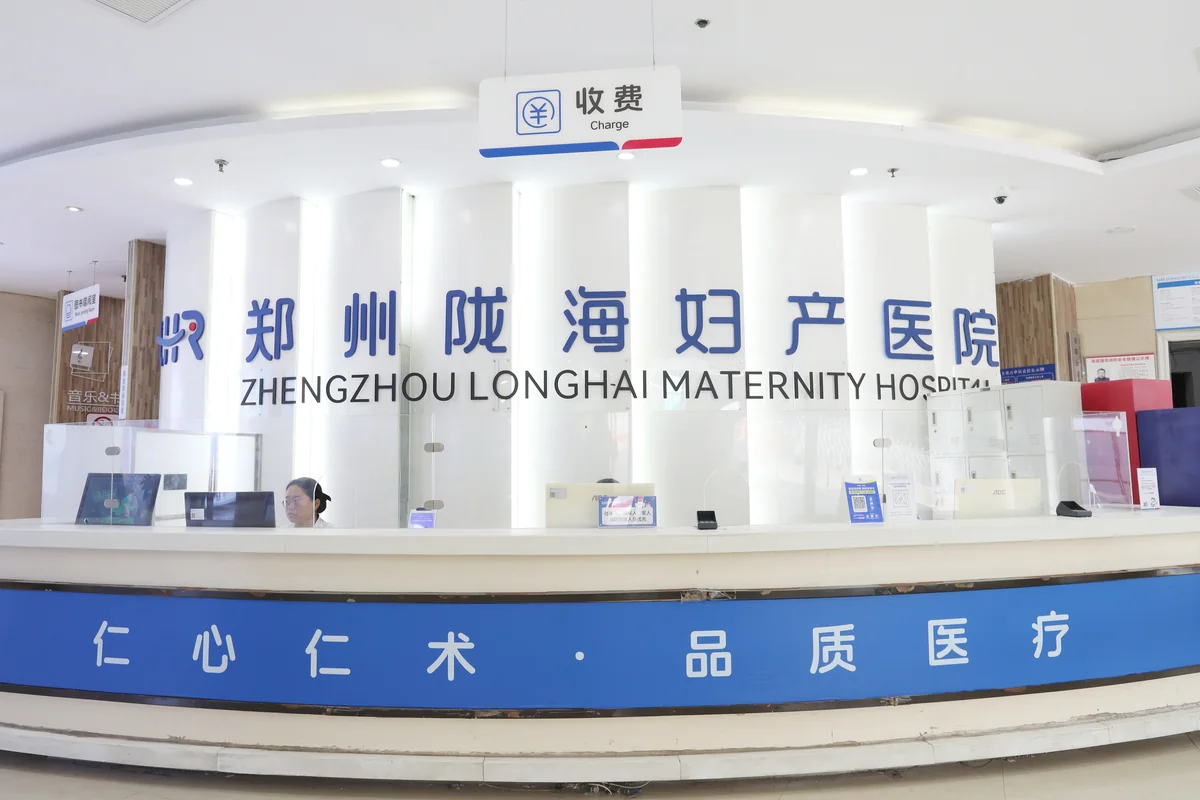
Zhengzhou Longhai Maternity Hospital · Hospital interiorZhengzhou Longhai Maternity Hospital · Hospital interior

Specialties

Precise assessment through minimally invasive repair

The center provides tubal recanalization, ovulation support, endometrial repair, ovulatory disorder care and intrauterine adhesion treatment, combined with acupuncture and herbal therapy for root-cause improvement and restoration of reproductive health.

Core focus

01

Female infertility workup

Combined hysteroscopy and laparoscopy achieves 40–50% pregnancy rates in unexplained infertility, versus 20–30% with single-modality treatment.

02

Uterine anomaly correction

For conditions such as septate uterus, miscarriage rates may fall from 60–70% preoperatively to 10–20%, with improved term pregnancy rates.

03

Intrauterine and pelvic adhesions

Combined adhesion treatment with sequential estrogen–progesterone therapy and laparoscopic assessment to restore fertility.

04

Tubal infertility

Combined hysteroscopy and laparoscopy offers higher success than hysterosalpingography or laparoscopy alone, with 70–80% postoperative tubal patency.

Advantages

Three core dimensions of combined hysteroscopy and laparoscopy

  • Diagnostic

    Dual-cavity assessment of uterine and abdominal anatomy reduces missed or incorrect diagnoses, especially in complex unexplained infertility.

  • Therapeutic

    Multiple lesions treated in one procedure, shortening overall treatment time.

  • Safety

    Mutual endoscopic guidance during surgery reduces complication risk through real-time monitoring and coordinated visualization.